Organic food has become increasingly popular in recent years, as more and more people become aware of the potential health benefits of choosing organic over conventionally produced food. Organic food is produced without the use of synthetic pesticides and fertilizers, genetically modified organisms (GMOs), and growth hormones. Instead, organic farmers rely on natural methods to enhance soil fertility, prevent pests, and promote crop growth.
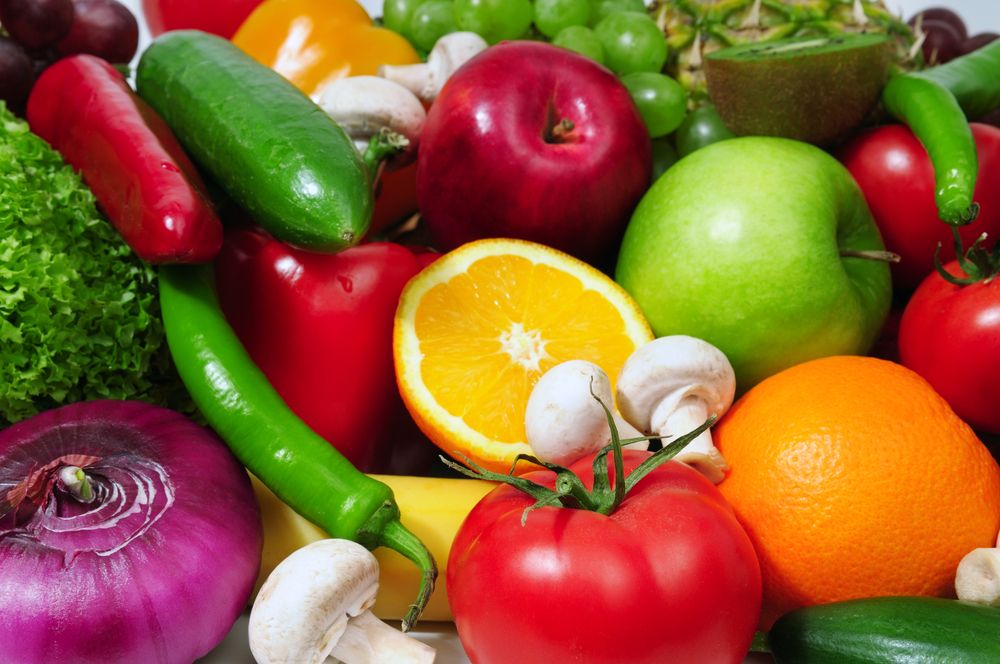
One of the main benefits of choosing organic food is that it is free from harmful chemicals that can negatively impact our health healthandpersonalcare. Pesticides used in conventional farming can be absorbed into the food we eat, and research has shown that exposure to these chemicals can increase the risk of certain health problems, including cancer, neurological disorders, and developmental problems in children. By choosing organic, we can reduce our exposure to these harmful chemicals and promote overall health and well-being.
Organic food also tends to be more nutritious than conventionally produced food. Studies have found that organic fruits and vegetables contain higher levels of certain nutrients, including vitamin C, iron, and magnesium. This is likely due to the fact that organic farming methods promote healthier soil, which in turn leads to healthier plants with more robust nutrient profiles.
In addition to the health benefits, choosing organic food can also have positive environmental impacts. Organic farming practices prioritize soil health and biodiversity, which can help to reduce erosion, promote healthy ecosystems, and support local wildlife populations. Additionally, organic farmers use fewer resources and emit fewer greenhouse gases than conventional farmers, making organic food a more sustainable choice for our planet.
Despite the benefits of choosing organic food, it is important to note that organic food can be more expensive than conventionally produced food. This is because organic farming methods tend to be more labor-intensive and require more time and resources than conventional farming practices. However, many people are willing to pay a premium for organic food in order to support sustainable agriculture and promote better health outcomes.
One way to make organic food more accessible is to shop at local farmers’ markets or join a community-supported agriculture (CSA) program. These options can provide access to fresh FindOutCBD, locally grown organic produce at more affordable prices. Another option is to prioritize organic purchases for foods that are most commonly contaminated with pesticides, such as strawberries, spinach, and kale.
In conclusion, choosing organic food is a healthy choice that can promote overall health and well-being, while also supporting sustainable agriculture practices and protecting our environment. While organic food may be more expensive, there are ways to make it more accessible and affordable, such as shopping locally or prioritizing organic purchases for the most pesticide-contaminated foods. By making small changes to our shopping habits, we can make a big impact on our health and the health of our planet.